
Bypass Protein in Dairy Cattle: The Key to Higher Milk Yield
In the high-yielding dairy cow, the rumen is both an asset and a bottleneck. Much of the protein a cow eats is degraded by rumen microbes before it can be used for milk. Bypass — or rumen-protected — protein is formulated to survive that first chamber and deliver amino acids where they are absorbed.
The limit of rumen-degradable protein
Rumen microbes break down a large share of dietary protein into ammonia, using only part of it to build microbial protein. For a cow producing thirty or more litres a day, microbial protein alone cannot meet demand.
The shortfall shows up as a plateau in milk yield and, often, poorer reproductive performance — the cow mobilising body reserves to fill the gap.
How bypass protein closes the gap
Rumen-protected sources resist microbial breakdown and pass through to the small intestine, where their amino acids are absorbed directly. This raises the supply of metabolisable protein without overloading the rumen.
Balancing the profile of these amino acids — particularly methionine and lysine — lets the nutritionist target milk protein and yield precisely, rather than simply feeding more crude protein.
The production payoff
Correctly formulated bypass protein supports higher and more persistent milk yield, better milk-protein percentage and improved feed efficiency — more output from the same intake.
It also reduces nitrogen excretion, aligning productivity with the environmental expectations now shaping modern dairy.

Managing Sub-Acute Ruminal Acidosis in High-Yielding Herds
The silent condition that quietly erodes rumen health, intake and margin.
Read More
Mycotoxins in Poultry Feed: Effects, Prevention & Effective Binders
How mycotoxins undermine flock performance — and the binders that keep feed safe.
Read More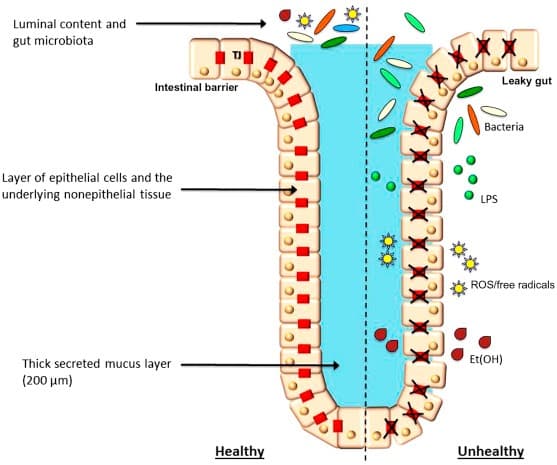
ProPhorce SR130: Advanced Tributyrin Solution for Poultry Gut Health and Performance
Why esterified butyric acid supports gut integrity and long-term bird performance.
Read More