
Mycotoxins in Poultry Feed: Effects, Prevention & Effective Binders
Mycotoxins are among the most persistent and costly threats in modern poultry production. Produced by moulds that colonise grain in the field and in storage, they silently erode performance long before clinical signs appear. Understanding how they act — and how to neutralise them — is central to protecting flock health and margin.
What mycotoxins do to the bird
Mycotoxins are secondary metabolites of fungi such as Aspergillus, Fusarium and Penicillium. Even at concentrations invisible to the eye, they compromise the intestinal lining, suppress immune response and burden the liver — the organ tasked with detoxifying them.
The result is a cascade of subclinical losses: poorer feed conversion, uneven flock uniformity, reduced weight gain and heightened susceptibility to secondary disease. Because the damage is gradual, it is frequently mistaken for a management or nutrition problem.
Why prevention starts before the feed mill
Contamination begins in the field and accelerates wherever moisture, temperature and time allow moulds to grow. Sound storage discipline — controlled humidity, clean silos and rapid throughput — remains the first line of defence.
Yet field prevention alone cannot guarantee a clean ration. Grain quality varies batch to batch, and multiple mycotoxins commonly occur together. A dependable in-feed strategy is therefore essential, not optional.
How effective binders work
A modern toxin binder adsorbs mycotoxins in the gut, forming a stable complex that passes through the bird without being absorbed. The best binders combine a broad adsorptive surface with selectivity — capturing harmful toxins while sparing vitamins and trace minerals.
Broad-spectrum solutions extend protection to the more polar mycotoxins that simple clays miss, pairing mineral adsorbents with biological components that target the toxins conventional binders leave behind.
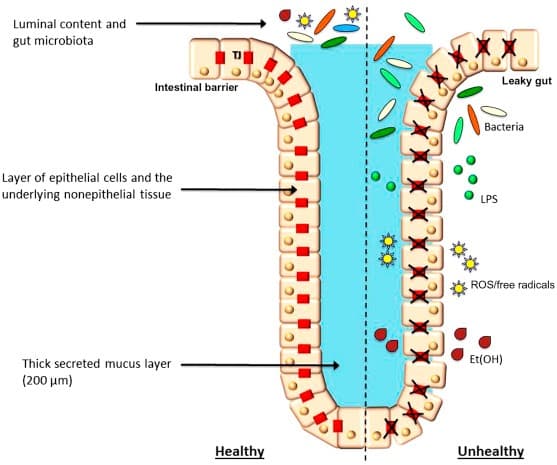
ProPhorce SR130: Advanced Tributyrin Solution for Poultry Gut Health and Performance
Why esterified butyric acid supports gut integrity and long-term bird performance.
Read More
How NSP Enzymes in Poultry Feed Improve Growth and Feed Efficiency
How NSP enzymes unlock trapped nutrients and raise feed efficiency in poultry.
Read More
Bypass Protein in Dairy Cattle: The Key to Higher Milk Yield
Why rumen-protected protein reaches the cow's intestine intact — and lifts production.
Read More