
How NSP Enzymes in Poultry Feed Improve Growth and Feed Efficiency
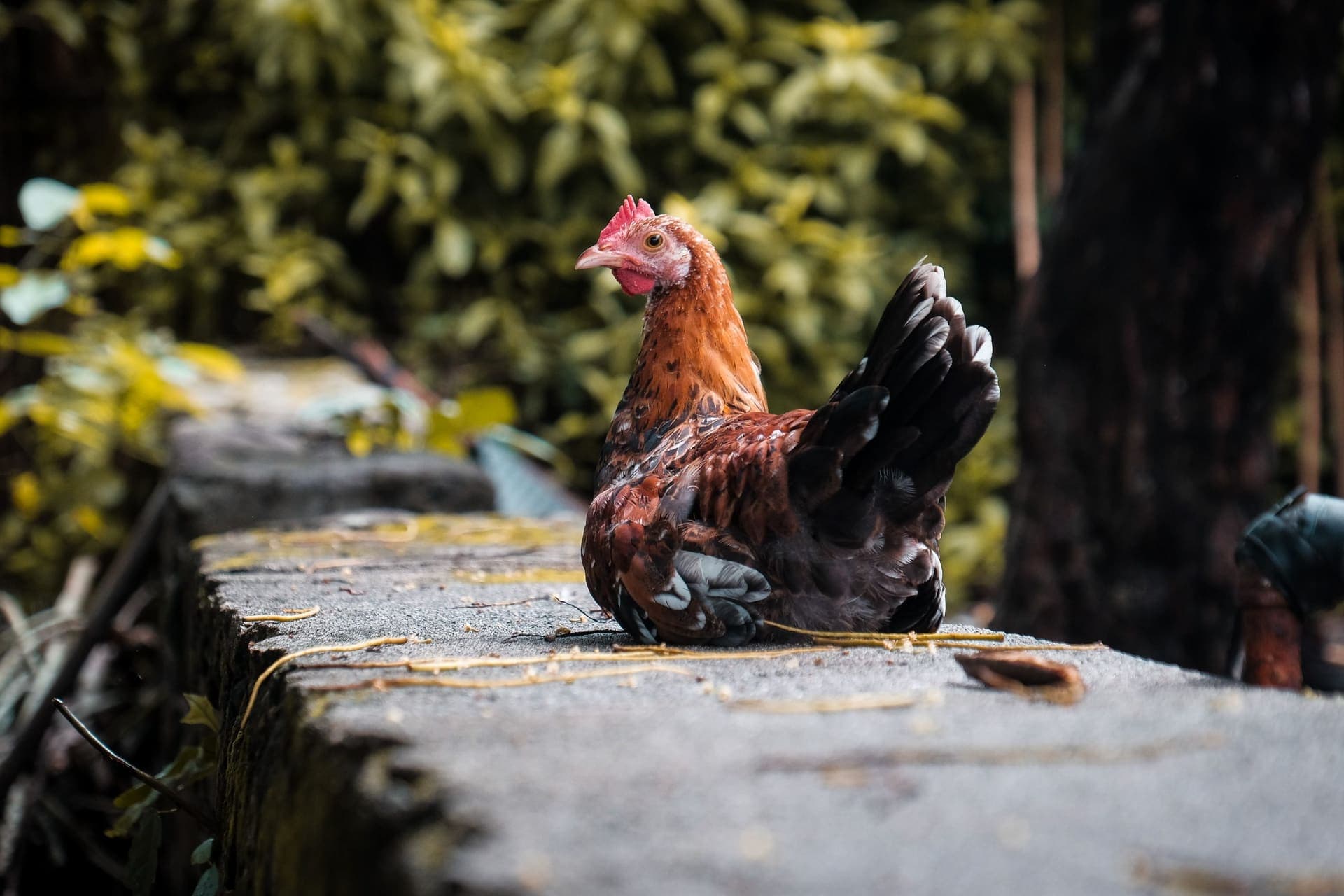
Cereal grains carry more nutrition than birds can naturally access. Non-starch polysaccharides (NSPs) lock away energy and protein and thicken the gut environment. Targeted enzymes release that hidden value — turning the same ration into better growth.
The anti-nutritional cost of NSPs
NSPs such as arabinoxylans and beta-glucans form the structural fibre of wheat, barley and other cereals. Poultry lack the native enzymes to break them down, so a portion of every ration passes through undigested.
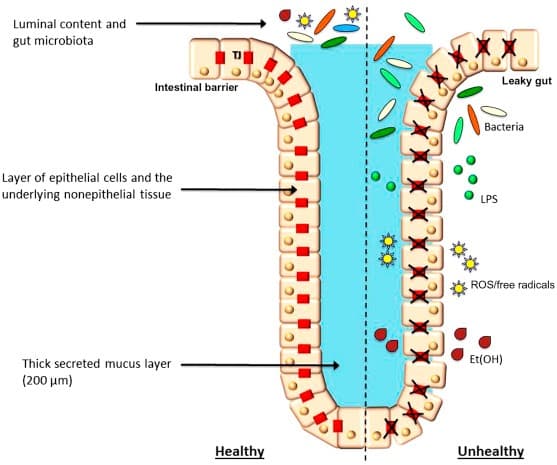
Beyond the lost nutrients, soluble NSPs raise the viscosity of the gut contents. Thicker digesta slows the movement of nutrients to the intestinal wall and creates conditions that favour undesirable microbes.
How the enzymes unlock value
NSP enzymes — xylanases, glucanases and related activities — cleave these fibres into smaller fragments. This dismantles the cell-wall cages that trap starch and protein, and lowers digesta viscosity so nutrients reach the absorptive surface freely.
The released sugars also serve as a substrate for beneficial gut bacteria, reinforcing a healthier microbial balance alongside the direct nutritional gain.
The bottom-line effect
By recovering energy and protein that would otherwise be excreted, NSP enzymes improve feed conversion and support more uniform growth. They also give the nutritionist room to formulate more flexibly across variable raw materials.
In a market where feed is the dominant cost, unlocking the nutrition already present in the ration is among the most reliable levers a producer has.
Organic Trace Minerals: Why Bioavailability Matters
How mineral form decides what the animal actually absorbs — and what it wastes.
Read More
Mycotoxins in Poultry Feed: Effects, Prevention & Effective Binders
How mycotoxins undermine flock performance — and the binders that keep feed safe.
Read MoreProPhorce SR130: Advanced Tributyrin Solution for Poultry Gut Health and Performance
Why esterified butyric acid supports gut integrity and long-term bird performance.
Read More