
Core Vaccination Schedules for Dogs and Cats: A Practical Guide

Vaccination remains the most effective, most economical protection a pet owner can give a dog or cat. Understanding which vaccines are essential — and when they should be given — is the difference between reliable immunity and a dangerous gap.
Core versus non-core
Core vaccines protect against diseases that are widespread, severe and often fatal — distemper, parvovirus and rabies in dogs; panleukopenia and feline herpes and calicivirus in cats. These are recommended for every animal.
Non-core vaccines are chosen according to lifestyle and local risk, guided by a veterinarian who knows the animal and its environment.
Why timing matters
Puppies and kittens are shielded early by maternal antibodies, which also block a vaccine from taking hold. A structured series through the first months bridges the window as that maternal cover fades.
Skipping or delaying a dose can leave an animal unprotected at exactly the age it is most vulnerable.
Lifelong protection
After the initial course, boosters maintain immunity across the animal's life, with intervals set by vaccine type and veterinary guidance.
A documented, consistent schedule — not one-off catch-ups — is what keeps companion animals genuinely protected.
Mycotoxins in Poultry Feed: Effects, Prevention & Effective Binders
How mycotoxins undermine flock performance — and the binders that keep feed safe.
Read More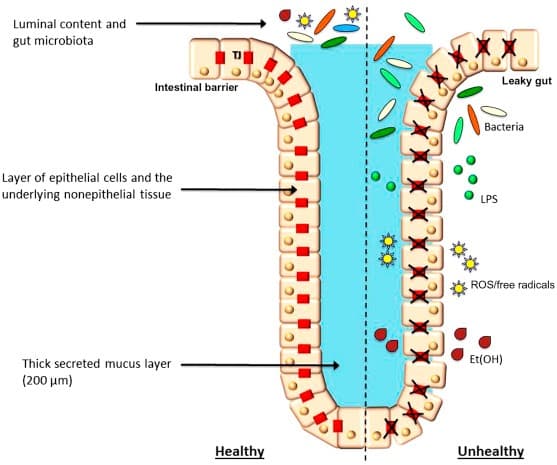
ProPhorce SR130: Advanced Tributyrin Solution for Poultry Gut Health and Performance
Why esterified butyric acid supports gut integrity and long-term bird performance.
Read More
How NSP Enzymes in Poultry Feed Improve Growth and Feed Efficiency
How NSP enzymes unlock trapped nutrients and raise feed efficiency in poultry.
Read More